Principles of Soil Health
What are the five (or six) principles of soil health? Depending on who you ask, the sixth principle is often described as “Know your context.” The first five principles, however, are visible throughout the natural world. The planet has evolved with remarkable expertise in growing and sustaining life, and by following these principles, we practice a form of biomimicry—learning directly from nature herself.
1) Keep the soil covered.
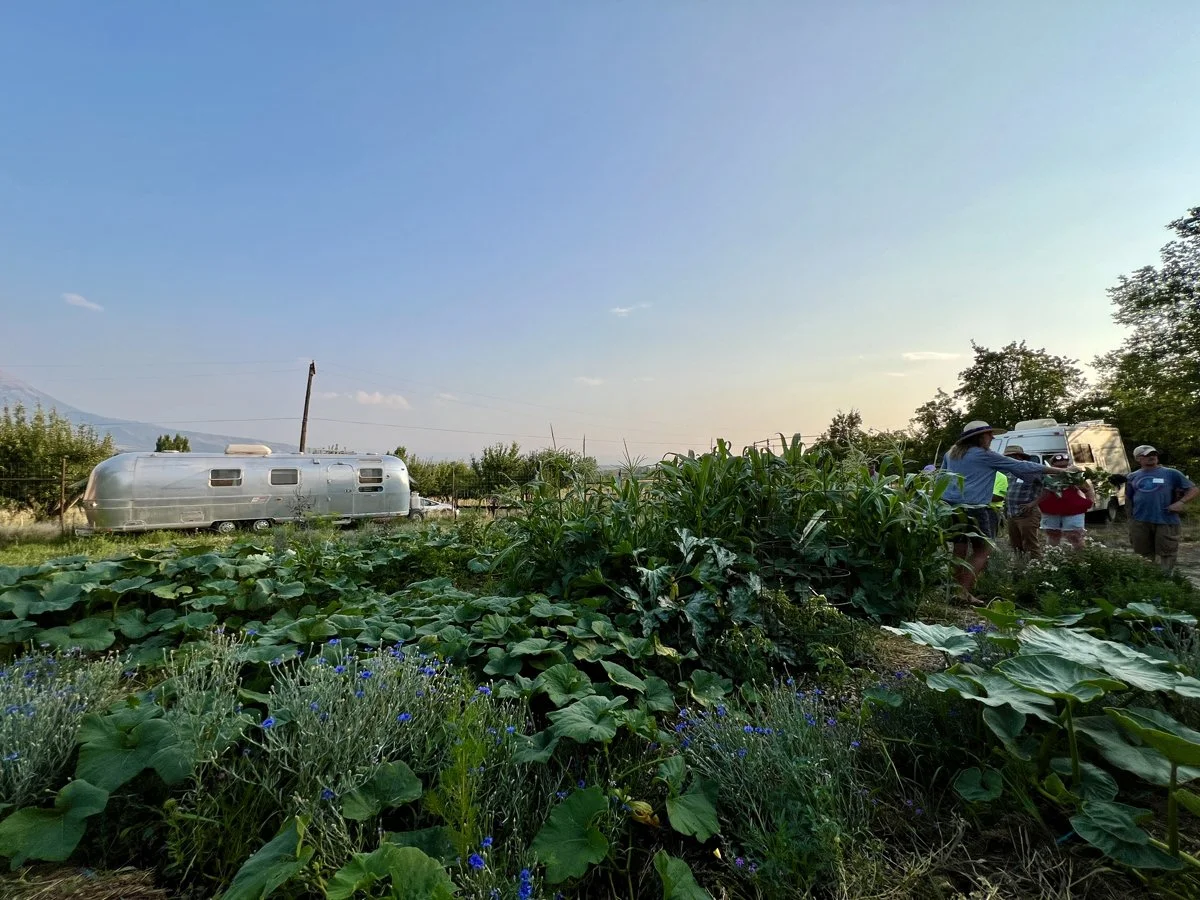
Over countless generations, the earth has continuously layered biodegradable material across its surface: leaves, perennial and annual plant matter, fallen trees, and animal droppings. Over time, these materials break down and gradually build rich, living soil. When we imitate this natural process by keeping soil covered with organic matter, we help create healthy, living soil that improves year after year.
2) Animal inputs.
Animals and plants have evolved side by side in an extremely interconnected relationship. Animal manure contributes nutrients and organic matter that become living soil, while the presence of grazing animals can also benefit plant health. The hoof action of certain animals helps incorporate material into the soil, and even animal saliva can stimulate plants to grow stronger and more resilient. Nature demonstrates that healthy ecosystems depend on the interaction between plants and animals.
3) No till.
Tilling disrupts and damages the living systems beneath the soil surface. This includes beneficial organisms such as worms, nematodes, fungi, and countless microorganisms that form an underground web of life. Much of this biology is invisible to the naked eye, yet it plays a vital role in soil fertility and plant health. Excessive tilling can turn living soil into lifeless dirt, requiring additional inputs to sustain plant growth.
4) Biodiversity.
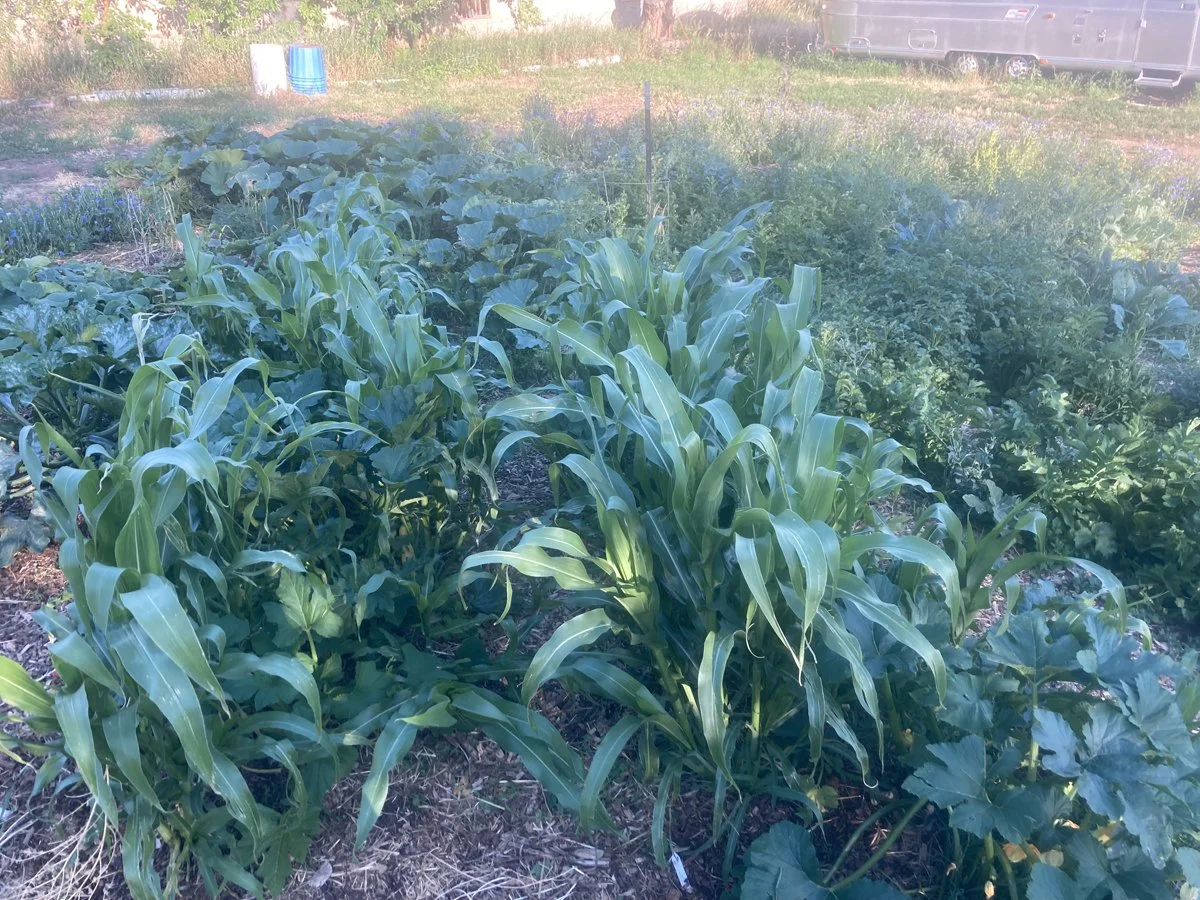
A walk through a forest reveals a wide variety of plants growing together in harmony. In nature, you rarely see large areas dominated by a single species. Different plants develop root systems of varying depths and nutrient needs, allowing them to coexist with minimal competition. By planting a diversity of species together, we create healthier ecosystems and reduce competition for resources. Monocultures, by contrast, often create imbalance and scarcity.
5) Don’t disturb the roots.
Mycorrhizal fungi form symbiotic relationships with plant roots, creating vast underground networks that help plants exchange nutrients, water, and even chemical signals. When roots are unnecessarily removed or disturbed, these fungal networks are damaged or destroyed. Preserving living roots in the soil helps maintain these important biological systems and supports long-term soil health.
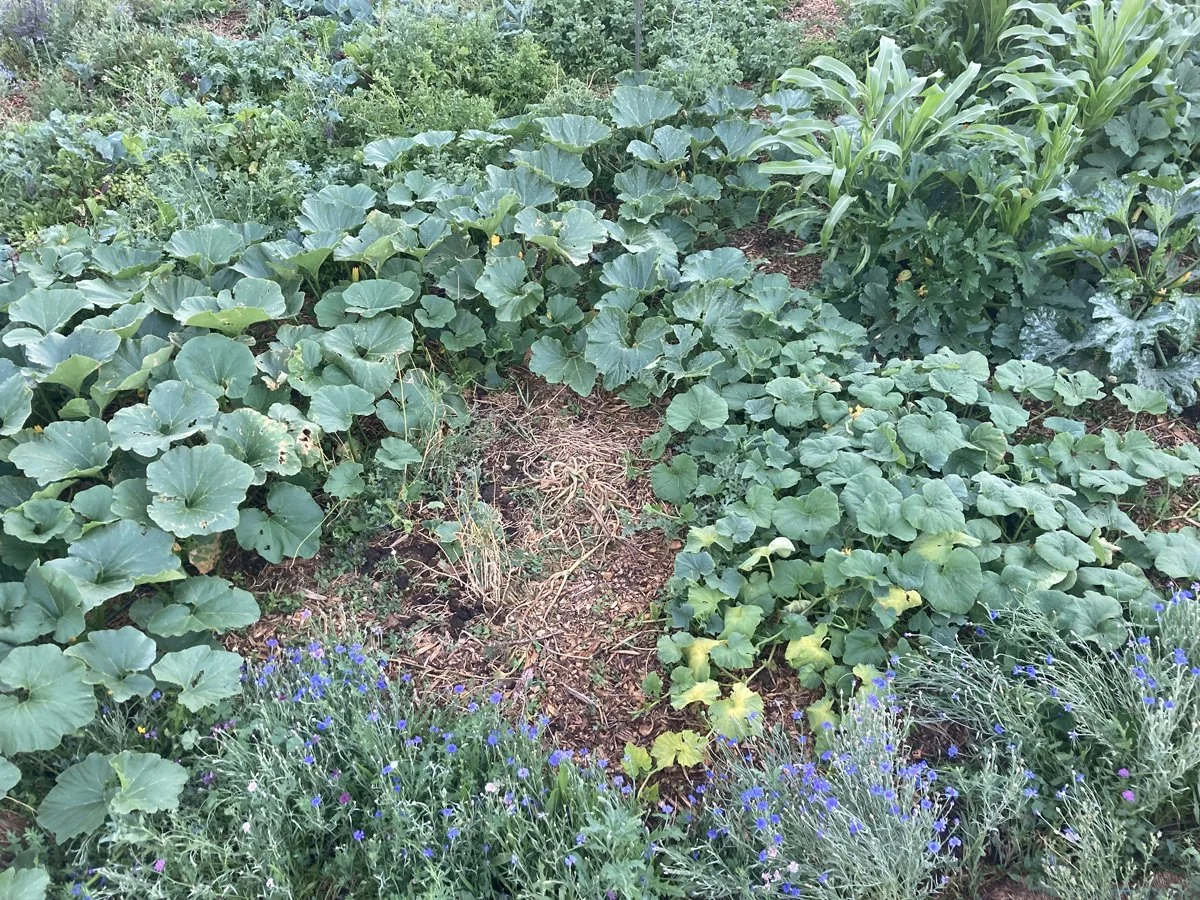
I have successfully grown annual crops using these principles. While root crops are naturally an exception—since harvesting them requires disturbing the roots—I have found that using a broadfork (or a seed drill for larger gardens and fields) can loosen and aerate the soil without the destructive effects of tilling. This approach produces healthy, nutrient-dense crops while protecting the life within the soil.
If we hope to preserve and restore our planet’s soil, it is essential that we follow these principles of soil health.